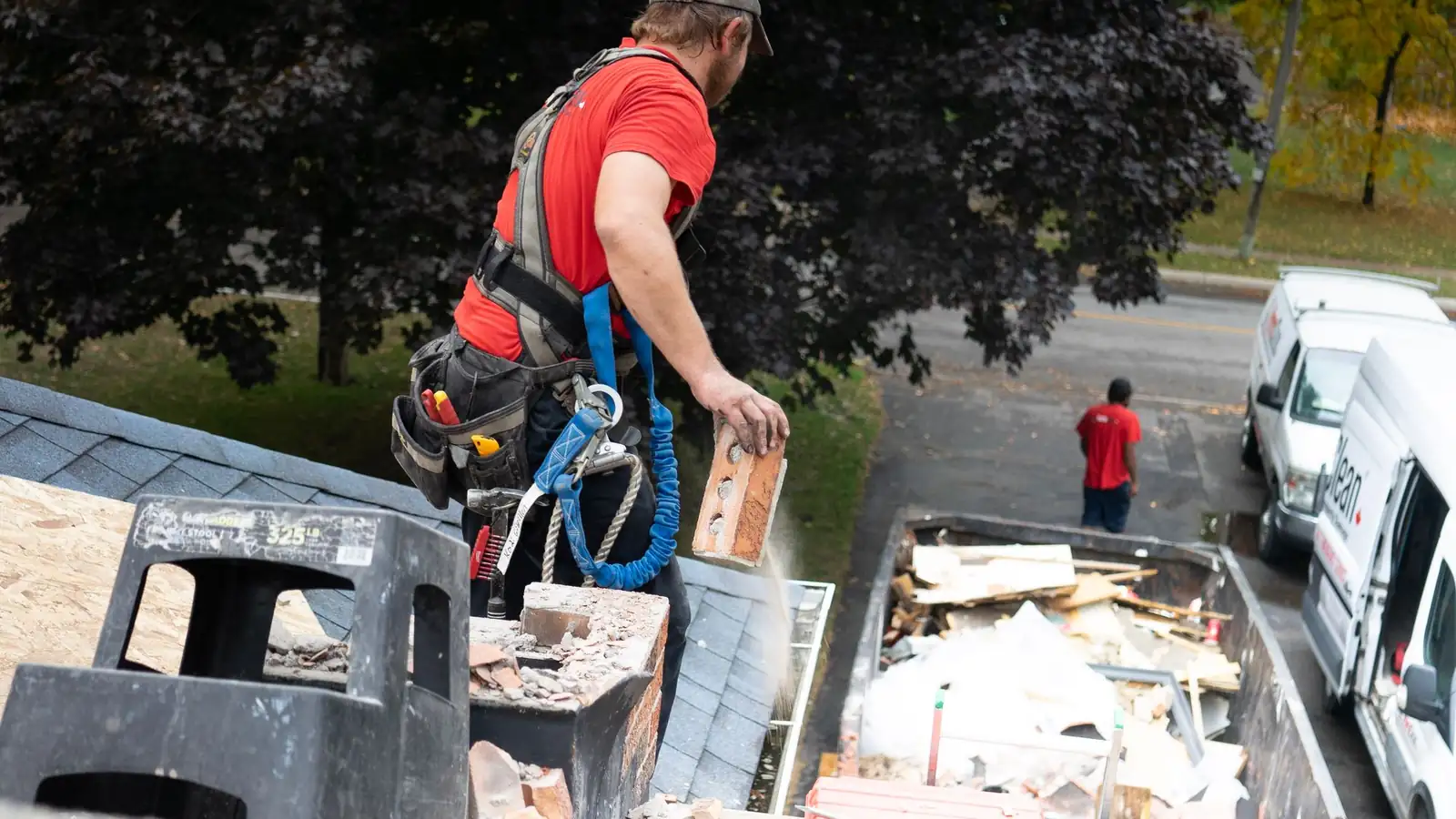
10, 20, 30 & 40 yard dumpster sizes
Compare capacity and example dimensions, then check the actual container, allowed materials and delivery space before booking.
HomeRelay Pros is an independent homeowner resource and referral service. We are not a dumpster or portable toilet rental company and do not perform hauling or sanitation services. Paid referrals through a partner network. Confirm the exact service, property ZIP, price and availability with the recipient.
How do you choose a roll-off dumpster size?
A dumpster size in yards describes nominal volume: 10, 20, 30 and 40 cubic yards equal 270, 540, 810 and 1,080 cubic feet. It does not tell you the weight allowance or the exact footprint. Use the chart below to understand the differences, then give the rental company your debris list, ZIP and dates so it can confirm a suitable container and a written total.
Choose from the sizes actually available for your job
Start with the property ZIP, project, debris list and planned rental dates. Ask which containers the rental company offers for that material and address. A size shown in a general guide is not a confirmation that the same container is available for your project.
For each proposed option, record the advertised capacity, actual length, width and height, loading rules and included weight. Container dimensions and weight terms should come from the company supplying it; do not treat a generic pickup-truck comparison as a precise loading plan.
Dumpster size chart: capacity and dimension examples
The dimensions below come from one published WM guide. They illustrate possible container shapes, not the dimensions or inventory of companies reached through this site. Ask the supplying company for its actual model before measuring a placement area.
| Size | Nominal volume | Example length × width × height | How to compare |
|---|---|---|---|
| 10 yard | 270 cu ft | 15 ft long 8 ft wide 2 ft high | One quarter of a 40 yard container's nominal volume. Confirm material-specific fill limits even when space remains. |
| 20 yard | 540 cu ft | 21 ft 11 in long 7 ft wide 3 ft 6 in high | Twice the nominal volume of 10 yards. Compare bulky-item dimensions and the actual loading-door opening. |
| 30 yard | 810 cu ft | 22 ft long 8 ft wide 5 ft high | Half again the nominal volume of 20 yards. Ask whether loading access and allowed materials suit the job. |
| 40 yard | 1,080 cu ft | 21 ft 11 in long 7 ft wide 7 ft high | Twice the nominal volume of 20 yards. Extra volume does not establish a higher permitted weight or local availability. |
Dimension source: WM roll-off dumpster quick guide (PDF), checked October 16, 2026. Capacity conversions use 1 cubic yard = 27 cubic feet. Container geometry and published dimensions do not establish a usable fill height or weight allowance. WM is cited as a reference, not identified as the company receiving your call.
20 versus 30 versus 40 yards: compare volume and loading
A 30 yard container has 50% more nominal volume than a 20 yard container; a 40 yard container has twice as much. Those ratios do not mean it can carry 50% or 100% more weight. List the debris types separately, including dense material, and ask which sizes and loading limits the supplier permits for them.
For bulky objects, compare their dimensions with the offered container and its loading-door opening. For work in stages, compare one container with a planned exchange. If the load is uncertain, explain the project instead of treating a truckload estimate as a precise measurement.
Separate capacity from the weight allowance
Ask how the provider sets the permitted load for your materials and what charge applies if the included allowance is exceeded. Describe concrete, soil, roofing materials and other dense debris separately. Do not assume that an empty space above the load means more weight can be added.
WM's published 10 yard guidance illustrates why provider-specific terms matter: it lists container dimensions, excluded materials and loading conditions for its own service. Those terms are not a quote or loading instruction from a company reached through this site.
Compare one container with an exchange using written totals
Ask for the full cost of the options you are considering: one proposed container, a larger available container or an exchange during the project. Compare included weight, rental days, delivery, collection and any additional transport or disposal charges on the same basis.
A larger size is not automatically cheaper than an exchange. If the amount of debris is uncertain, ask how a second haul or changed pickup date would be priced before you choose. Use our rental-cost checklist to record the assumptions behind each total.
Container footprint is not truck clearance
A container that fits a driveway on paper may still need more space for delivery and collection. The truck approach, overhead clearance, maneuvering area and loading door are separate measurements. Ask for site-specific placement instructions; no single clearance figure applies to every truck and container.
Describe the proposed placement area, driveway, gates, overhead obstacles and shared access. Ask the supplying company to confirm the space it needs to deliver and collect the actual container, including any loading-door access. Confirm who will check address-specific placement permissions when needed.
Before booking, ask for the accepted materials, size, weight terms, dates and pickup process in the order confirmation. HomeRelay Pros is an independent referral resource. Paid referrals through a partner network. The call recipient must confirm service acceptance and availability; calling does not reserve a container.
Have these details ready for a rental call
- Job and materials: describe what is being removed, approximate quantities and any concrete, soil, shingles or bulky items.
- Address and placement: give the property ZIP, driveway or street placement, gates and overhead obstacles.
- Dates and handling: explain delivery and pickup preferences, project stages and whether an exchange may be needed.
- Written comparison: request the actual container dimensions, accepted materials, fill rules, included weight, rental days and extra-charge terms.
Ask the recipient to confirm whether the service can accept your address and materials. A call does not reserve equipment. The current referral scope excludes Alaska and Hawaii.
Discuss size and rental optionsQuestions before arranging the work
What does a 20 yard dumpster mean?
It describes a nominal capacity of 20 cubic yards, equivalent to 540 cubic feet. It is not a 20-foot length or a weight allowance. Confirm the actual container dimensions, fill line and allowed load with the supplying company.
Is the dumpster footprint all the space the truck needs?
No. The container footprint does not include the truck's approach, maneuvering and delivery space, overhead clearance or loading-door access. Ask the supplier to confirm those requirements for the actual truck, container and placement area.
Are all 20 yard dumpsters the same dimensions?
Do not assume identical dimensions. Request the length, width and height of the actual container offered, plus the provider's delivery, collection and loading-clearance requirements.
Does a larger size include a higher weight allowance?
The rental company's quote determines the included weight and loading rules. Ask for those terms separately from advertised container capacity and describe the materials you plan to load.
Is it always cheaper to choose the next size up?
No universal saving is established. Compare written totals for each available size or exchange option, including rental days, weight, transport, disposal and potential additional charges.
Guide reviewed October 16, 2026.
Compare the full dumpster rental quote · WM: an example of provider-specific container terms
Discuss your rental requirements
Ask the recipient to confirm your debris type, address, available container and rental terms.